


How to choose the right leather gloves for your industry

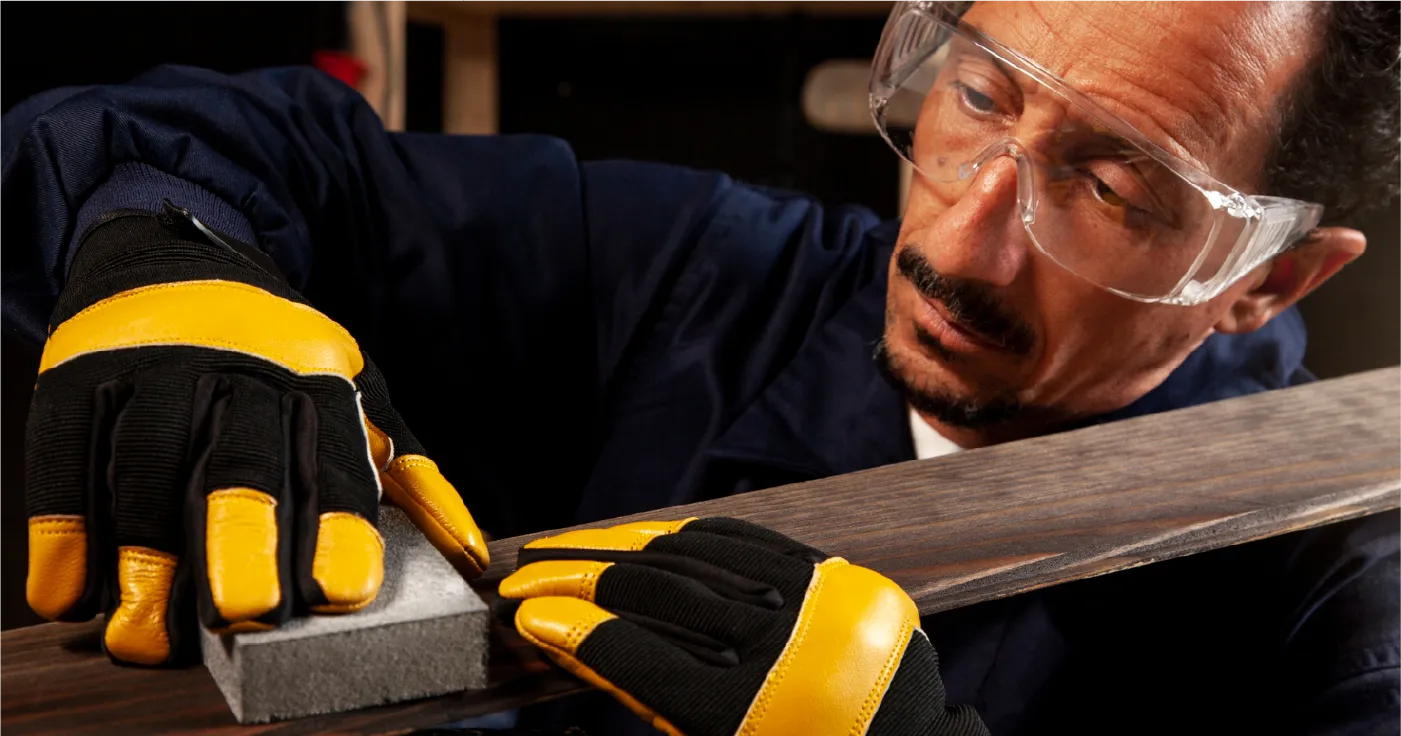
Selecting the right hand protection is critical for safety and productivity. This guide simplifies how to choose the right leather gloves for Canadian professionals.
What is the process for choosing the right leather gloves?
This it’s a strategic process designed to protect your most valuable asset your team. For a Safety Manager or Shop Foreman in Canada, this process begins with a clear understanding of the specific tasks and hazards present in your work environment. It involves moving beyond simply looking at a glove’s price tag and delving into material science, ergonomic design, and critically, compliance with Canadian safety standards. The goal is to create a hand protection program that is both effective and efficient, preventing costly injuries and ensuring that work proceeds without interruption.
This comprehensive approach means evaluating everything from the type of leather and its inherent properties to the construction of the glove, including the stitching and reinforcement. It’s about finding the perfect balance between protection, dexterity, and durability, ensuring the gloves are not only worn but also enhance the worker’s ability to perform their job safely and effectively. Ultimately, a well-executed selection process, supported by a knowledgeable partner, transforms a simple procurement task into a cornerstone of your workplace safety culture.
Understanding canadian workplace safety regulations for hand protection
For any business operating in Canada, compliance is non-negotiable. Workplace safety regulations, primarily governed by provincial bodies and guided by the Canadian Centre for Occupational Health and Safety (CCOHS) and standards from the CSA Group (Canadian Standards Association), form the legal framework for hand protection. As a manager, your primary responsibility is to ensure the Personal Protective Equipment (PPE) you provide meets or exceeds these standards, such as CSA Z94.3 for eye and face protection, which often works in tandem with hand protection requirements in fields like welding. While there isn’t one single CSA standard that covers all work gloves, regulations mandate that employers conduct a thorough hazard assessment and select PPE appropriate for those specific risks. This means if your team faces cut hazards, the gloves must have a suitable ANSI/ISEA cut level rating. If thermal hazards are present, the gloves must offer documented heat resistance. Failure to comply can result in significant fines, work stoppages, and, most importantly, preventable injuries. Understanding these regulations is the first step in building a defensible and effective safety program that protects both your workers and your business from liability.
The critical role of industrial risk assessment in glove selection
Before you can choose the right glove, you must deeply understand the risks. An industrial risk assessment is the systematic process of identifying all potential hand hazards within your operations. This goes far beyond a casual glance at the job site. It involves documenting specific threats like cuts from sheet metal, punctures from wires or nails, abrasions from rough materials like concrete or lumber, and thermal burns from welding sparks or hot equipment. For each task, you must ask: What is the worker handling? What tools are they using? What is the environment like? A comprehensive risk assessment quantifies these dangers, allowing you to match them to a glove’s specific protective features.
For instance, a high-abrasion environment requires a durable leather like cowhide, while a task needing fine motor skills might demand a more dexterous goatskin glove. This data-driven approach removes guesswork from your procurement process, ensuring you don’t overspend on unnecessary features or, more dangerously, underspend and leave your team exposed. It is the foundational document that justifies your purchasing decisions and proves due diligence in your safety protocol.
Decoding leather types: a guide for welding and metal fabrication
In high-heat environments like welding and metal fabrication, not all leather is created equal. The choice of material is paramount for preventing serious burns and injuries. The industry standard is typically split cowhide leather due to its exceptional durability, thickness, and natural resistance to heat and abrasion. The “split” refers to the lower layer of the hide, which is fibrous and tough, making it ideal for shielding against sparks and spatter. Furthermore, gloves designed for this sector are often stitched with Kevlar® thread, which will not burn or melt when exposed to high temperatures, ensuring the glove’s structural integrity is maintained when it matters most.
For TIG welding, which requires greater dexterity and a sensitive touch, professionals often prefer thinner but still durable leathers like goatskin or deerskin. These materials allow for precise control of the welding rod without sacrificing essential protection from the heat generated by the process. Understanding these nuances ensures that you provide the right tool for the job, enhancing both safety and the quality of the work.
How ergonomics and injury prevention shape your glove choice
A glove is useless if the worker takes it off. This is where ergonomics and injury prevention become critical factors in your selection process. A glove that is too bulky, stiff, or ill-fitting will not only be uncomfortable but will actively hinder a worker’s ability to do their job, leading to hand fatigue and a greater risk of accidents. Ergonomically designed gloves are crafted to mimic the natural shape and movement of the hand, reducing the muscle strain required to grip tools or handle materials over a long shift. Features like pre-curved fingers, strategically placed stretch panels, and soft internal linings contribute significantly to user comfort and acceptance. This directly impacts injury prevention.
When a worker is comfortable, they are more likely to wear their PPE consistently. Furthermore, a glove with good dexterity and grip reduces the chance of dropping heavy objects or fumbling with dangerous tools. Investing in ergonomic gloves is an investment in productivity and a proactive measure against costly musculoskeletal injuries and other workplace accidents.
What type of leather is best for work gloves?
The “best” type of leather for work gloves is entirely dependent on the specific application, balancing the critical trade-offs between durability, dexterity, and cost. For heavy-duty industrial tasks found in construction, manufacturing, and welding, cowhide is often the top choice. It is abundant, cost-effective, and offers superior resistance to abrasion and heat. Split cowhide, with its fibrous texture, is particularly effective at handling rough materials and deflecting sparks. However, its thickness can sometimes limit fine motor skills. For tasks requiring a high degree of dexterity and tactile sensitivity, such as TIG welding, assembly, or operating machinery, goatskin is an excellent option. It contains a high natural lanolin content, making it very soft and pliable, yet it boasts remarkable tensile strength and abrasion resistance for its weight, offering a premium feel and control without sacrificing protection.
Understanding these material differences is crucial, but navigating the options can be a challenge for a busy manager. This is where the expertise of a specialist supplier like Aro Safety Store becomes invaluable. Their team can help you analyze your specific industrial risk assessment and guide you to the perfect material. For example, they can clarify when the ruggedness of their Split Leather Aprons and Sleeves, made from durable cowhide, is essential, versus when a more flexible goatskin glove would increase productivity and worker satisfaction. By partnering with Aro Safety, you’re not just buying a product; you’re accessing a wealth of knowledge that ensures your hand protection program is optimized for both safety and operational efficiency, guaranteeing you make the right, most cost-effective choice for every task.
How to select the right gloves?
Selecting the right gloves is a multi-step process that begins long before you look at a catalog. The first and most critical step is to use your comprehensive industrial risk assessment to clearly define the hazards. You must identify the primary risks: Are they cuts, punctures, abrasion, chemical exposure, or thermal burns? Once the hazards are identified, you need to determine the required level of protection. For instance, cut resistance is measured by ANSI/ISEA levels (A1-A9); you must match the glove’s rating to the specific risk level of the task. The next consideration is dexterity versus durability. A heavy-duty demolition job requires maximum durability, while assembling small components requires maximum dexterity. You must find the right balance for the specific job function to ensure the glove is an aid, not a hindrance. Finally, consider the fit and comfort for the user, as an ill-fitting or uncomfortable glove is one that won’t be worn.
This selection matrix can seem complex, but you don’t have to navigate it alone. A partnership with Aro Safety Store simplifies the entire process. By sharing your risk assessment data with their experts, you can get tailored recommendations that perfectly align with your needs. Their team understands the nuances between different materials and constructions, such as the reinforced palms on their Short Split Leather Gloves, which enhance durability in high-wear areas without compromising overall flexibility. They can help you conduct wear trials with your team to assess fit and comfort in real-world conditions, ensuring user buy-in. Aro Safety acts as your consultant, helping you move from a list of hazards to a concrete, compliant, and highly effective hand protection solution that keeps your team safe and productive.
What are leather gloves best used for?
Leather gloves are best used for applications that demand a robust combination of durability, abrasion resistance, and protection from moderate heat and sparks. Their natural toughness makes them the go-to choice for a wide range of physical tasks across industries like construction, where they protect against rough materials like concrete, brick, and lumber. In metalworking and fabrication, they are essential for handling sharp-edged metal sheets and protecting from the general wear and tear of a workshop environment. For many types of welding, particularly MIG and Stick welding, split leather gloves provide an indispensable barrier against sparks, spatter, and radiant heat, safeguarding the hands from serious burns. They are also widely used in landscaping, farming, and general maintenance, where hands are constantly exposed to friction and potential punctures from tools, wires, and natural elements. The inherent structure of leather provides a level of protection against these physical hazards that many synthetic materials cannot match.
The versatility of leather means there’s a specific type and design for nearly every heavy-duty job, and Aro Safety Store specializes in providing these targeted solutions. For example, their Long Split Leather Aprons and matching Split Leather Sleeves are designed to complement their gloves, offering a complete system of protection for welders and grinders. Their expertise lies in understanding that a “general purpose” leather glove isn’t always sufficient. They help you pinpoint the exact requirements of your tasks—whether it’s the extended coverage needed for overhead welding or the reinforced palm for heavy material handling. By offering a curated selection of high-quality leather PPE, Aro Safety ensures that you are not just getting a glove, but a purpose-built tool designed to maximize safety and longevity in the most demanding industrial environments.
What are leather gloves used for in PPE?
In the context of Personal Protective Equipment (PPE), leather gloves serve as a primary defense against a wide range of mechanical and thermal hazards. Their main function is to create a durable physical barrier between a worker’s hands and the dangers of their job. For mechanical risks, this includes protecting against cuts from sharp tools or materials, punctures from nails or wires, and severe abrasion from handling rough surfaces like wood, metal, or concrete. As PPE, they are fundamental in industries like construction, demolition, and manufacturing, where these risks are a daily reality. For thermal hazards, leather gloves are essential in applications like welding, foundry work, and blacksmithing. They insulate the hands from intense radiant heat and provide critical protection against molten metal spatter and flying sparks that would instantly burn unprotected skin or melt synthetic fabrics. The glove’s performance as PPE is determined by its material (e.g., tough cowhide), construction (e.g., Kevlar® stitching), and design (e.g., reinforced stress points).
Choosing the correct leather glove as PPE is a matter of compliance and safety, and Aro Safety Store is dedicated to ensuring you get it right. They understand that for a glove to be effective PPE, it must be matched precisely to the identified hazards from your risk assessment. Their product line, including the rugged Reinforced Short Split Leather Gloves, is designed with specific industrial applications in mind, ensuring they meet the real-world demands of your workforce. The team at Aro Safety can help you document your selection process, demonstrating due diligence in your safety program. They provide more than just gloves; they provide a partnership that ensures your hand protection strategy is robust, compliant with Canadian workplace standards, and trusted by the workers who depend on it every single day.
Is goatskin leather good for gloves?
Yes, goatskin is an excellent material for work gloves, particularly for tasks where dexterity, comfort, and tactile sensitivity are as important as durability. Unlike the thicker cowhide, goatskin has a much tighter grain structure and is naturally rich in lanolin, a waxy oil that makes the leather exceptionally soft, supple, and flexible right from the first use. This means there’s virtually no “break-in” period required. Despite its lightweight and pliable nature, goatskin has remarkable tensile strength and is surprisingly resistant to abrasion, making it far more durable than its feel might suggest. This unique combination of properties makes it the ideal choice for TIG welding, component assembly, driving, and any job that requires intricate hand movements and the ability to feel what you’re working on. It allows for precise control while still offering a reliable protective barrier against cuts and scrapes.
While goatskin excels in dexterity, it’s crucial to apply it to the right tasks, and this is where expert guidance from Aro Safety Store becomes a strategic advantage. A safety manager might incorrectly assume that a softer glove is a weaker glove, but the specialists at Aro Safety can explain the technical benefits of goatskin and identify where it can boost productivity in your operations. They can help you build a comprehensive hand protection program that utilizes different types of leather for different roles—perhaps rugged cowhide for your grinders and flexible goatskin for your precision welders or machine operators. This tailored approach, facilitated by Aro Safety, ensures that every member of your team has the optimal tool for their job, enhancing both their safety and their efficiency without making unnecessary compromises.
How to pick a good glove?
Picking a “good” glove goes beyond the material and involves a careful inspection of its construction, features, and fit. A well-constructed glove will have consistent, strong stitching. For high-heat applications, this stitching must be made from a heat-resistant material like Kevlar® to prevent the seams from failing when exposed to sparks. Look for reinforcement in high-wear areas; a quality glove will have extra leather patches on the palm, thumb saddle, and fingers, as this is where most gloves fail first. The cuff design is also important. A short safety cuff offers wrist protection while allowing for quick removal, whereas a longer gauntlet cuff is essential for welding to protect the forearm. Finally, a good glove must fit properly. It should be snug enough to provide dexterity but not so tight that it restricts circulation or causes fatigue. There should be no bulky seams on the inside that could cause irritation over a long workday.
This detailed evaluation can be time-consuming, but Aro Safety Store has already done much of this work for you by curating a selection of only high-quality, industry-proven gloves. Their products, like the ARO Safety’s Reinforced Short Split Leather Gloves, are a perfect example of what to look for: premium split cowhide, reinforced palms, and heat-resistant stitching. When you consult with Aro Safety, you are leveraging their expertise in product vetting. They can walk you through these construction details, explaining why a certain feature is critical for your specific application. They help you move beyond a simple visual inspection to a deeper understanding of what makes a glove truly “good”—meaning it is safe, durable, and a smart investment for your company’s safety budget.
How to choose the right pair of gloves based on the job?
Choosing the right pair of gloves based on the job requires a task-based hazard analysis approach. You must break down each role into its core functions and identify the primary risks associated with each. For a construction worker handling concrete blocks and rebar, the primary hazards are extreme abrasion and potential punctures, making a heavy-duty split cowhide glove the ideal choice. For a TIG welder, the job requires intricate control and moderate heat resistance; therefore, a thin, dexterous goatskin or deerskin glove is far more appropriate. A mechanic, on the other hand, needs good grip, protection from grease and oil, and resistance to minor cuts and scrapes, which might lead to a synthetic-coated or specialized driver-style leather glove. The key is to avoid a “one-size-fits-all” mentality. Using the wrong glove for the job is not only unsafe but also inefficient, leading to premature wear and worker frustration.
This level of detailed matching is precisely where Aro Safety Store excels. Their team acts as a consultant, working with you to map your specific job roles to their extensive product inventory. You can describe the tasks—from heavy fabrication to delicate assembly—and they can provide a set of options tailored to each one. For example, they would recommend their rugged cowhide aprons and sleeves for grinders but might suggest a different glove entirely for your shipping and receiving team, who face different risks. By leveraging Aro Safety’s expertise, you can confidently build a hand protection program where every single worker has a glove perfectly suited to their job. This ensures optimal protection, improves morale, and maximizes the return on your PPE investment.
What is the best start in selecting gloves?
The best start in selecting gloves is to ignore the gloves themselves, at least initially. The true starting point is a comprehensive and honest industrial risk assessment of your workplace. Before you can find a solution, you must fundamentally understand the problem. Walk the floor, talk to your workers, and document every single task that requires hand protection. For each task, identify the specific hazards: Are they sharp edges (cuts), pointed objects (punctures), rough surfaces (abrasion), high heat (burns), or chemicals? Quantify these risks where possible. This foundational work provides you with a data-driven “problem profile” for each job role. Without this crucial first step, any glove selection is just a guess. This assessment becomes your roadmap, guiding every subsequent decision and ensuring that your choices are based on actual need rather than habit, price, or supplier convenience. It is the most critical step in creating a compliant and effective safety program.
Once you have this vital data, the next best step is to bring it to a specialist. This is where Aro Safety Store becomes your most powerful asset. Instead of presenting them with a vague request for “work gloves,” you can provide them with a detailed breakdown of your hazards. This allows their expert team to immediately narrow down the options to the most suitable and cost-effective solutions. They can take your risk assessment and translate it directly into product specifications—matching ANSI cut levels, thermal ratings, and material properties to your documented needs. By starting with a thorough assessment and then engaging with the experts at Aro Safety, you create a streamlined, intelligent, and defensible process for selecting your PPE, ensuring you get the right protection for your team from the very beginning.
How many types of leather gloves are there?
While it may seem simple, there are numerous types of leather gloves, categorized primarily by the type of animal hide used and the specific design or construction style. The most common leather types include cowhide, known for its excellent durability, comfort, and abrasion resistance, making it the all-around choice for heavy industry. Goatskin is prized for its softness, flexibility, and high tensile strength, making it ideal for tasks requiring dexterity. Pigskin is also tough and breathable, with the unique ability to stay soft even after getting wet. Deerskin is perhaps the softest and most comfortable, offering exceptional dexterity but less resistance to abrasion than cowhide. Beyond the material, gloves are categorized by their design: Driver gloves are slip-on style gloves known for comfort and dexterity. Welder’s gloves feature long gauntlet cuffs and heat-resistant materials. Mechanic’s gloves often combine leather with synthetic materials for a better fit and specialized grip.
This variety can be daunting, but it also means there is a perfect glove for almost any application. The challenge is navigating the options to find that perfect match, and this is a core service provided by Aro Safety Store. Their team is fluent in the language of leather and glove construction. They understand the subtle but critical differences between a split cowhide welder’s glove and a top-grain goatskin driver’s glove. By discussing your specific needs with them, you can quickly cut through the confusion. They can explain which of the many types of leather gloves are relevant to your industry and which are not, saving you time and preventing costly purchasing errors. Aro Safety helps you harness the variety in the market to your advantage, ensuring every worker is equipped with a glove that feels custom-made for their role.
Authoritative References
- Canadian Centre for Occupational Health and Safety (CCOHS) – Hand Protection: https://www.ccohs.ca/oshanswers/prevention/ppe/gloves.html
- CSA Group (Canadian Standards Association): https://www.csagroup.org/store/
- WorkSafeBC – Hand Protection: https://www.worksafebc.com/en/health-safety/create-manage/personal-protective-equipment/hand-protection