


5 Common PPE Mistakes Companies Make ¿How to Avoid Them?

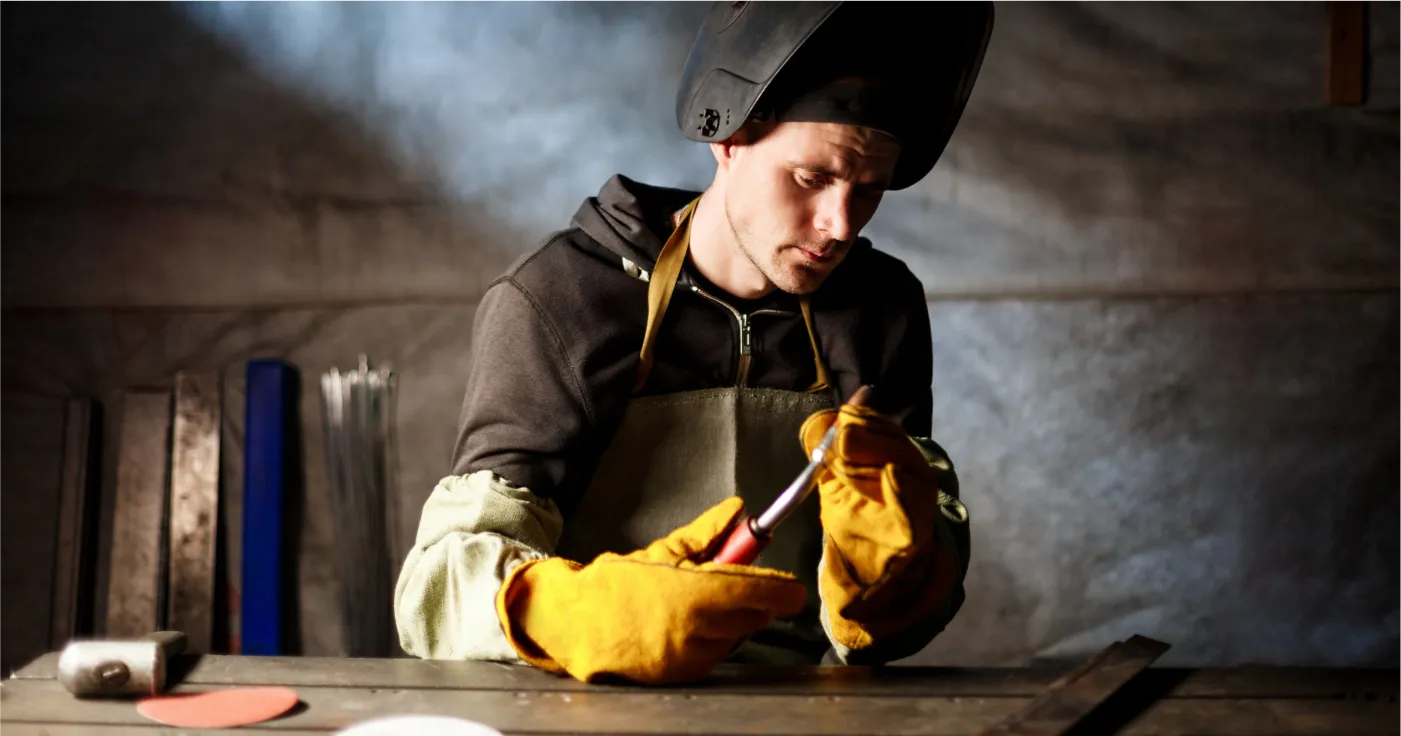
Protecting your team from workplace hazards is non-negotiable. This guide reveals the 5 Common PPE mistakes companies make & how to avoid them.
What are the 5 Common PPE Mistakes Companies Make & How to Avoid Them?
For a Safety Manager or business owner in Canada, creating a Personal Protective Equipment (PPE) program can feel like navigating a minefield of regulations, budget constraints, and operational demands. The pressure to get it right is immense, as a single mistake can lead to serious injuries, costly fines from provincial bodies like WorkSafeBC or Ontario’s Ministry of Labour, and damaging operational downtime. Many well-intentioned companies fall into the same recurring traps, not out of negligence, but from a lack of a clear, strategic framework. These errors often stem from treating PPE as a simple commodity to be purchased rather than a critical safety system to be managed.
The five most common mistakes revolve around fundamental misunderstandings of compliance, risk, quality, human factors, and training. They include: performing a superficial risk assessment that misses key hazards; prioritizing upfront cost over long-term value and safety; ignoring the crucial role of ergonomics, leading to worker non-compliance; providing inadequate or non-existent training on the proper use and care of equipment; and fundamentally misunderstanding the depth of Canadian workplace safety regulations. Avoiding these pitfalls is the key to transforming your PPE program from a reactive expense into a proactive investment in your people, your productivity, and your company’s reputation.
Mistake 1: Ignoring Canadian Workplace Safety Regulations
One of the most dangerous and costly mistakes is treating PPE selection as a simple purchasing decision without deeply integrating Canadian workplace safety regulations. In Canada, compliance isn’t just a suggestion; it’s the law. Each province and territory has its own Occupational Health and Safety (OH&S) legislation that mandates employers provide appropriate PPE. Furthermore, standards set by the CSA Group (Canadian Standards Association) are often cited in legislation, making them legally enforceable requirements. For example, using a non-CSA-certified hard hat or safety footwear on a construction site is a direct violation. The common error is assuming that any product labeled “safety” is compliant. A manager might purchase equipment from a foreign supplier without verifying if it meets specific CSA standards like Z94.1 for head protection or Z195 for protective footwear, exposing the company to significant liability and, more importantly, endangering workers. This mistake often stems from a lack of awareness or the overwhelming nature of the regulations, but ignorance is not a defense in the event of an incident. True compliance requires diligence and a proactive approach to understanding and applying the specific standards relevant to your industry and location.
Mistake 2: Conducting a Poor Industrial Risk Assessment
The entire foundation of a successful PPE program rests on a thorough and accurate industrial risk assessment. The mistake many companies make is treating this as a simple box-checking exercise. A superficial assessment might identify a “cut risk” but fail to differentiate between the hazard posed by a utility knife versus a powered band saw, each requiring a vastly different level of cut protection (e.g., an ANSI A2 versus an A7 glove). A poor assessment overlooks nuanced hazards like chemical splashes during a specific task, intermittent high heat, or the need for high-visibility gear in a dimly lit corner of the workshop. It fails to involve the workers who perform the tasks daily and have invaluable firsthand knowledge of the real-world risks. When the foundation is weak, every subsequent decision is flawed. You end up with workers who are either over-protected and hindered by bulky, unnecessary equipment, or dangerously under-protected and exposed to hazards you never even documented. A data-driven, comprehensive risk assessment is non-negotiable; it is the roadmap that guides every single PPE selection and justifies every dollar spent on your safety program.
Mistake 3: Flawed Industrial Supply Management That Prioritizes Cost Over Quality
In a world of tight budgets, the temptation to choose the cheapest PPE option is strong. This is a classic mistake in industrial supply management that confuses price with value. A low-cost glove might save a few dollars per pair upfront, but it often leads to significantly higher costs down the line. Inferior materials wear out faster, forcing you to purchase replacements far more frequently. Poorly constructed equipment can fail at a critical moment, leading to a serious injury, which carries devastating direct and indirect costs, including medical bills, lost productivity, increased insurance premiums, and potential legal action. Furthermore, safety equipment reviews consistently show that higher-quality gear from reputable brands offers better performance, greater comfort, and superior longevity. A safety manager who prioritizes short-term cost savings over long-term safety and durability is ultimately creating a more expensive and less safe work environment. The smart, sustainable approach is to view high-quality PPE not as an expense, but as an investment that pays dividends through injury prevention, reduced consumption, and improved worker morale and confidence.
Mistake 4: Overlooking Ergonomics and Injury Prevention
A common misconception is that PPE is only about protecting workers from external hazards like cuts or impacts. However, a critical mistake is ignoring the internal risks posed by poorly designed equipment. If a glove is stiff, bulky, and ill-fitting, a worker will struggle to grip tools, leading to rapid hand fatigue. This fatigue is not just a matter of comfort; it’s a direct precursor to musculoskeletal injuries (MSIs) and increases the likelihood of an accident, such as dropping a heavy object. When PPE is uncomfortable, workers are more likely to remove it for “just a second” to perform a task, which is often when incidents occur. This is where ergonomics and injury prevention become paramount. Ergonomically designed PPE is crafted to work with the body’s natural movements, reducing strain and improving dexterity. Choosing equipment that fits well and is designed for the specific task at hand is a proactive strategy to prevent both immediate and long-term injuries. Ignoring ergonomics is a recipe for non-compliance and a clear sign that the human element has been forgotten in the safety equation.
Mistake 5: Neglecting Safety Training and Certification Programs
Providing a worker with a high-quality respirator or a pair of cut-resistant gloves is only half the battle. The most significant and often-overlooked mistake is the failure to implement a robust safety training program. A worker who doesn’t know how to properly fit-test their respirator is not protected. An employee who doesn’t know how to inspect their leather gloves for wear and tear might use a pair with a compromised seam, rendering them useless against sparks in welding and metal fabrication. Training is not a one-time event; it must be ongoing. It should cover not only the “how” (how to wear it) but also the “why” (why it’s necessary), the “when” (when to use it), and the “what” (what its limitations are). Effective training, which may lead to internal certification programs for specific tasks, empowers employees to take ownership of their safety. It transforms them from passive recipients of equipment into active participants in the safety culture. Skipping this step turns your expensive PPE investment into little more than a false sense of security.
What are 5 examples of different types to PPE?
Personal Protective Equipment is categorized by the part of the body it protects, with each type designed to mitigate specific hazards. A primary example is Head Protection, most commonly the CSA-approved hard hat, which is essential on any construction or industrial site to protect against falling objects and impacts. Second is Eye and Face Protection, including safety glasses, goggles, and face shields, which guard against flying debris, chemical splashes, and radiation from welding. Third, Hand Protection encompasses a vast range of gloves, from reinforced leather gloves for abrasion and heat to nitrile gloves for chemical resistance, all chosen based on a specific risk assessment. Fourth is Respiratory Protection, which includes everything from simple dust masks to full-face respirators with specialized cartridges designed to filter out toxic vapors, fumes, and airborne particles. Finally, Body Protection includes items like high-visibility vests to ensure workers are seen, chemical-resistant aprons, and leather welding jackets that shield the torso from sparks and heat.
Understanding these categories is the first step, but selecting the right product within each is the real challenge. This is where a knowledgeable partner like Aro Safety Store provides immense value. They don’t just sell products; they provide integrated solutions. For example, they can explain how their ARO Safety Split Leather Sleeves work in tandem with their welding gloves and aprons to create a complete system for body protection in fabrication environments. Their team can guide you through the different classes of head protection or help you select the appropriate type of safety glasses based on your specific industrial risk assessment. By partnering with Aro Safety, you gain access to expertise across all categories of PPE, ensuring you build a comprehensive, compliant, and truly effective safety program without the guesswork.
How can PPE fail?
PPE can fail in several critical ways, often with serious consequences. The most obvious is physical failure, where the equipment itself breaks down. A hard hat can crack after an impact, a glove seam can split from wear and tear, or a respirator’s filter can become clogged and ineffective. This is often accelerated by improper storage—leaving leather gloves in a wet environment or a hard hat in direct sunlight can degrade the materials and compromise their protective qualities. Another common cause of failure is improper selection. A worker using a glove with an ANSI A2 cut rating for a job that requires A6 protection is set up for failure, as the equipment is simply not designed for the hazard level. Similarly, using a simple dust mask when a chemical vapor cartridge is required offers no real protection. Finally, PPE fails due to human error, which includes improper use, such as not achieving a proper seal with a respirator, or simply not wearing it at all because it’s uncomfortable or seen as a hindrance. This human element is often the weakest link in any safety program.
Preventing these failures requires a two-pronged approach: sourcing high-quality equipment and providing thorough training, both of which are central to the Aro Safety Store philosophy. Their products are built for industrial demands; for instance, their leather gloves are stitched with heat-resistant Kevlar® thread specifically to prevent seam failure in high-heat welding applications. More importantly, their team acts as a crucial barrier against improper selection. By consulting with them and sharing your risk assessment, they ensure you get the right product for the right hazard, preventing failure before the equipment even reaches your workers. Aro Safety helps you build a resilient program by providing durable gear and the expert knowledge needed to select and use it correctly, addressing the root causes of PPE failure.
What are 5 standard pieces of PPE that must be worn on all sites as per the manual?
While specific requirements can vary slightly by province and job site, a “five-point” or “head-to-toe” PPE policy is standard across most Canadian construction and heavy industrial sites. The first, and most iconic, is the CSA-certified hard hat (head protection) to guard against impacts from above. Second are CSA-certified safety glasses with side shields (eye protection) to protect against flying particles from all directions. Third is a high-visibility vest or clothing (body protection) that meets CSA Z96 standards, ensuring workers are easily seen by vehicle and equipment operators. Fourth are CSA-certified Grade 1 protective boots with steel toes and puncture-resistant soles (foot protection) to safeguard against crushing injuries and sharp objects on the ground. The fifth essential piece is task-appropriate work gloves (hand protection). While the type of glove will change based on the specific job (e.g., anti-vibration, cut-resistant, or leather), their use is almost universally mandated. These five pieces form the baseline of personal safety on any active work site.
For a manager responsible for outfitting a team, ensuring every piece of this standard kit is compliant, durable, and readily available is a major logistical task. This is where a streamlined industrial supply management approach with a partner like Aro Safety Store becomes invaluable. They function as a one-stop-shop for all these core requirements, offering a curated selection of CSA-approved hard hats, safety glasses, high-visibility vests, and a wide array of work gloves. Instead of dealing with multiple vendors, you can source a complete, compliant head-to-toe solution from a single, reliable partner. Aro Safety ensures that the products not only meet regulatory standards but are also designed for the rigors of the Canadian industrial environment, simplifying your procurement and giving you peace of mind that your team has the fundamental protection they need.
What are the challenges of PPE?
The challenges of implementing an effective PPE program are multi-faceted and extend far beyond simply buying equipment. One of the biggest challenges is worker acceptance and compliance. If PPE is uncomfortable, ill-fitting, or hinders the ability to perform a task, workers will be resistant to wearing it, defeating its entire purpose. Another significant challenge is cost management. Balancing the need for high-quality, effective equipment with tight operational budgets is a constant struggle for many managers, often leading to the mistake of purchasing cheaper, inferior products. Furthermore, the sheer complexity of regulations and standards can be overwhelming. Keeping up with changes in provincial OH&S acts and CSA standards requires constant vigilance. Finally, managing inventory and maintenance presents a logistical hurdle. Ensuring the right PPE is available for every worker and task, and that it is properly inspected, cleaned, and replaced when worn out, requires a robust system that many smaller companies lack the resources to implement effectively.
These challenges are precisely what Aro Safety Store aims to help businesses overcome. They address the challenge of worker acceptance by offering ergonomically designed and comfortable PPE that workers are more likely to wear. For cost management, they provide durable, high-value products that reduce long-term replacement costs, and their expert guidance prevents wasteful spending on incorrect equipment. They act as your compliance partner, staying up-to-date on Canadian standards so you don’t have to navigate the complexity alone. By offering streamlined ordering and expert advice, they simplify your industrial supply management, helping you overcome the logistical hurdles of inventory and maintenance. Aro Safety transforms these common PPE challenges from roadblocks into manageable components of a successful safety culture.
Authoritative References
- Canadian Centre for Occupational Health and Safety (CCOHS) – PPE: https://www.ccohs.ca/oshanswers/prevention/ppe/
- CSA Group (Canadian Standards Association) – Store: https://www.csagroup.org/store/
- Infrastructure Health & Safety Association (IHSA) – Ontario: https://www.ihsa.ca/topics_hazards/Personal-Protective-Equipment.aspx